Wednesday, December 25, 2019

How to have a sustainable Christmas: six tips to make your holiday more eco-friendly


Christmas can be a magical and fun time spent with those we love. However, Christmas is often also a time of excessive consumption, over-indulgence and unnecessary waste for those in more economically privileged positions. Here are six tips to enjoy the holiday in a more sustainable way.

1.    Buy less
Giving gifts can be a beautiful expression of our love and gratitude for the people in our lives. However, in many instances we fill our Christmas stockings with far more than is necessary. Excessive consumption traces back to the destruction of our living systems, the exploitation of natural resources and people for profit.

Buying less gifts is a great way to have a more mindful festive period. This could include implementing a limit with your family on the number of gifts you exchange. It could also include making use of the secret santa tradition. If you have children, it is a good opportunity to teach them about the importance of the holiday rather than the practice of gift giving, while teaching them to appreciate and enjoy the gifts they receive.

2.    Buy ethical and local - or gift an experience.
When buying gifts, look for local options that are ethically made. Local companies generally have smaller carbon footprints, whilst ethical companies sell products that are better for the environment and offer far better working environments. There is also the option to gift your loved ones an experience that you know they will love, be it a dancing lesson, beer tasting or outdoor adventure, to name a few.


3.    Rethink the Christmas Tree
According to an article on Metro, the “collective carbon footprint of throwing organic Christmas trees in the garbage amounts to approximately 100,000 tonnes of greenhouse gases each year.” Conversely, plastic trees are made from fossil fuels and are not recyclable or biodegradable.

If you do have a reusable plastic tree, the most sustainable thing to do would be to keep it and reuse it as many times as possible.

When it comes to replacement, Emi Murphy a tree campaigner quoted in the Guardian says that: “buying a potted tree with roots lets you grow it outside and use it again year after year, reducing its environmental impact and costing you less. A living tree will carry on absorbing carbon from the atmosphere for years to come.”

There are also lots of ways to get creative and create your own version of a Christmas tree using old branches and string, stacked books or even a ladder.


4.    Eliminate unnecessary waste
From crackers, to Christmas hats to wrapping paper, there can be a great deal of avoidable waste around Christmas time. Many items can easily be avoided completely whilst others can be replaced with more sustainable alternatives, for example:

     Instead of non-recyclable wrapping paper, use old newspaper or recyclable brown paper to wrap your gifts
     If you are considering buying any new christmas decorations for your tree, try making  your own. This could be done with salt dough, old paper or CDs
     Forage for your Christmas decorations: think pinecones, greenery, chestnuts and holy

5.    Reduce your food waste and compost the rest
When planning and shopping for your festive season meals, consider how to minimise food waste by coordinating your meals to include shared ingredients. That way you will use all or most of the ingredients that you have bought, instead of using them for one meal and letting the rest go to waste.

The festive season can also be a time of overindulgence when it comes to eating. You can certainly still enjoy a good meal without cooking too much food. If you do cook too much, be sure to eat the leftovers or donate them to someone in need.

Whatever leftovers and food scraps you do have left, be sure to separate and use for compost. If you are at a holiday resort or similar  that does not have waste separation or composting facilities, be sure to leave a recommendation asking the venue to consider changing their ways.


6.    Talk about the important things
The end of the year is a time for reflection and goal setting. Reflecting on our own thoughts, actions and impact on others (and the world) can be an incredibly powerful tool to shift behaviour patterns and achieve a ripple of change that starts with us. 

Equally, discussing important issues at the dinner table, be it climate change, anti racism or gender equality shouldn’t be avoided just to maintain the Christmas cheer. Getting together during the holidays can provide the perfect opportunity for us to do better, together!

Tuesday, December 17, 2019

5 Reasons to Study at the new SUMAS campus in Milan


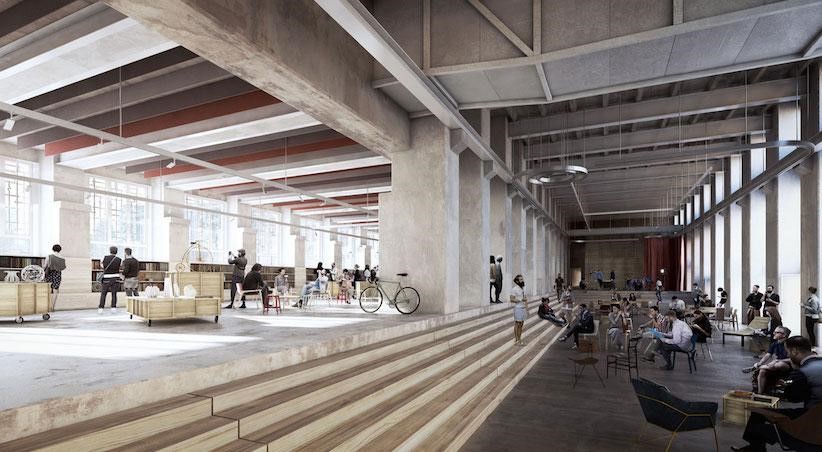
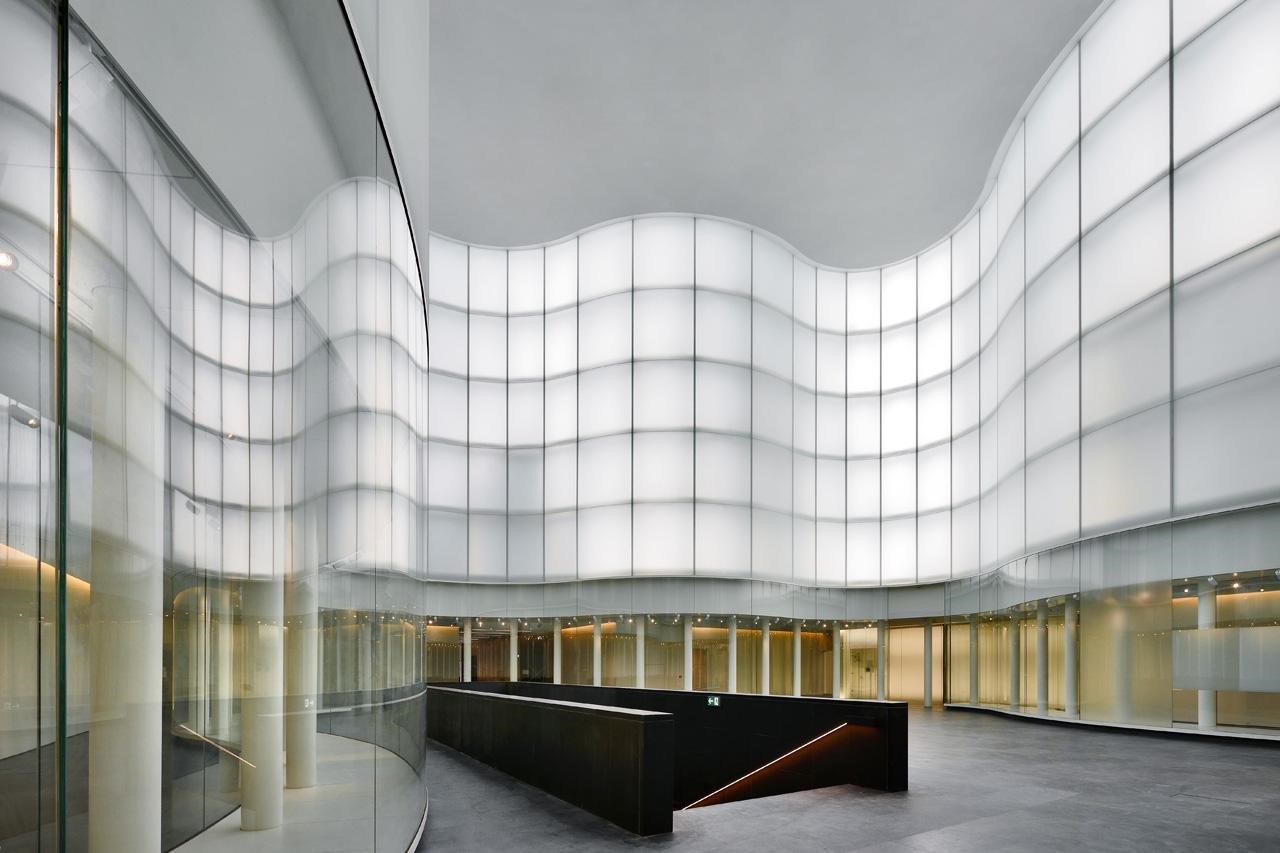
SUMAS launched its new campus on 1st December 2019 in Milan, a city known for its top quality universities, fashion and culture. The campus is located at the innovation and cultural center BASE Milan, centrally located in the fashion, art and design district of Milan.
The SUMAS campus at BASE Milan will offer the same internationally recognised (ACBSP) undergraduate and graduate programs as SUMAS Switzerland, with the addition of first hand local fashion and design market experience.
Here are just some of the reasons you should consider studying at the new campus:
1 – Milan is transitioning into a green city!
Italy is setting an example for other countries by introducing academic sustainability modules and  making it mandatory for climate change to be studied in high school curriculums. Milan, according to a 2019 article in Forbes, is “‘going green’ in a major way to fight against climate change and improve the quality of life of its 1.4 million citizens. Local authorities have announced plans to plant 3 million trees by 2030.”
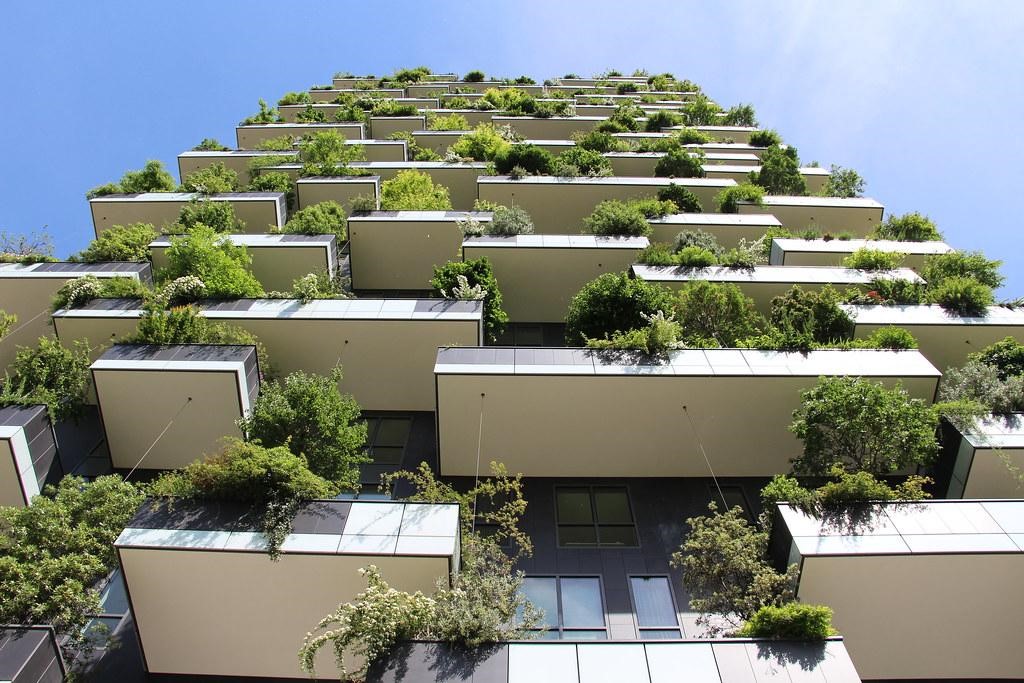
Over the past few years Milan has already made great strides in incorporating greenery into the city. One such example is the Bosco Verticale, a pair of residential towers in the Porta Nuova district of Milan which have utilised thousands of trees and plants grown on the outside.

Milan’s commitment to “going green” makes it the perfect city to study sustainability.

2 – The Fashion capital of the world!
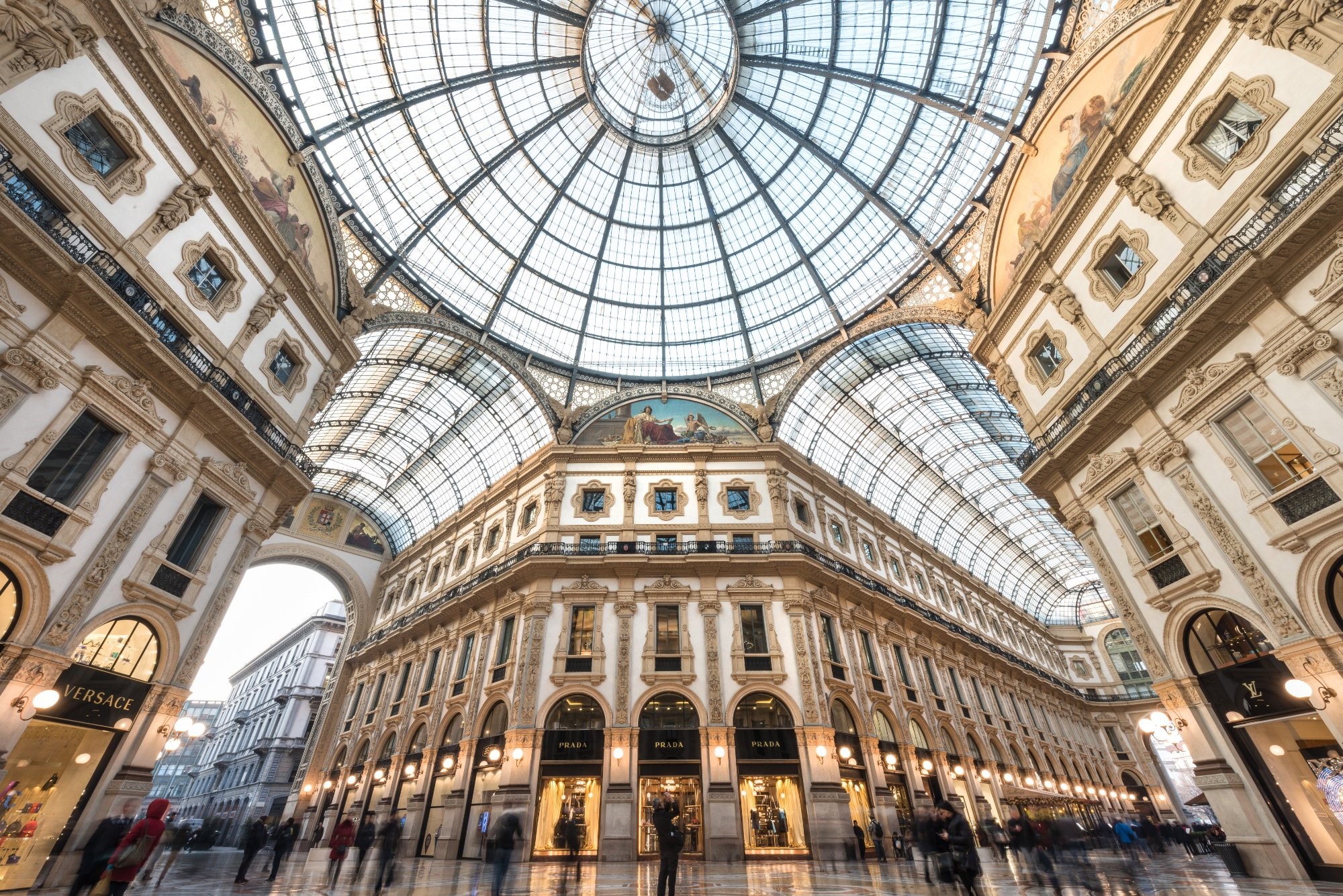
Considering Milan’s status as a fashion capital of the world, the campus is especially suited for those with interest / seeking a career in sustainable fashion. Milan holds an annual fashion week, design week and, of late, there has been more and more of a focus on sustainable fashion.


During the 2019 Milan Fashion Week, a Green Carpet Fashion Awards was held organised by Eco-Age, an international sustainability fashion consultancy. According to Lifestyle Inquirer, the event was “an Oscars-style awards ceremony for sustainable fashion,” with awards received by the likes of Valentino and Stella McCartney. The concept behind the awards: to focus on “swapping climate-destroying luxuries for ecologically-friendly fashion.”


3 – Experience a campus that is a hub for activity!The SUMAS campus at Base Milan is set to be a prominent hub for activity, ensuring all of your student needs are met, while having access to a number of facilities, events and cultural insights.
The campus includes:
  • campus accommodation for students
  • a student lounge and recreational facilities
  • an onsite bistro
  • a fashion laboratory for student practical classes on campus
  • a music recording studio on the campus for aspiring music artists


The campus is home to MUDEC (museum of cultural arts) and Google with regular activities and seminars taking place every week related to sustainability and other cultural topics such as fashion, music and art!


The Base Milan campus also provides access to many important networking initiatives and invaluable practical experiences. In fact, brands that have recently taken part in events at BASE Milan include Montcler, Gucci and Timberland.
4 – Milan is one of the best student cities in the world!
 Aside from the delicious food (think authentic pasta and pizza) and lively nightlife, there is a reason why Milan was voted one of the best student cities in the world.
Milan’s vibrant scene is not only a hub for fashion but for finance, research, media and the arts. It is home to some of the top universities in the world which means that at any given time, the city is bustling with students from Italy and abroad.
Being a hub for so many industries also gives local and international students access to incredible training, internship and job opportunities.


5 – Explore all of Europe!
 With its central location in the heart of Europe,  Milan is the perfect starting block to explore surrounding cities and countries with most European capitals accessible within a two hour flight! Milan is close to superb beaches and not far from stunning mountains for the avid skier and snowboarder! Milan is also located a quick train ride away from Switzerland, the home of cheese, chocolates and where the second SUMAS campus is located. According to SUMAS founder and president Dr. Ivana Modena, the Milan campus will not only “provide students global transfer opportunities between Switzerland and Italy during their studies” it will also “create the perfect environment for international students to work together, share ideas, and complete practical projects related to fashion, art, design, business and sustainability.”

 
For questions and more information contact: Vincent Wood, Student Recruitment Manager – vwood@sumas.ch

Tuesday, December 3, 2019

World Leading Sustainability Management School Opens State-of-the-art Campus in Milan


SUMAS, the top Sustainability Management School in Switzerland, is launching its new campus on 1st December 2019 in Milan. The Campus will be located at the innovation and cultural center BASE Milan.

Base Milan is centrally located in the fashion, art and design district of Milan at Via Tortona, 56 within the ex-Ansaldo complex - an important urban regeneration project in Europe.

The SUMAS campus at BASE Milan will offer the same internationally recognised (ACBSP) undergraduate and graduate programs as SUMAS Switzerland, with the addition of first hand local fashion and design market experience.

"We are proud and delighted to announce this exciting step in our international growth strategy," says SUMAS President and Founder, Dr. Ivana Modena. “It will create the perfect environment for international students to work together, share ideas, and complete practical projects related to fashion, art, design, business and sustainability. It will also provide students global transfer opportunities between Switzerland and Italy during their studies.”

The campus is set to be a hub for activity, including:

     a fashion laboratory for student practical classes on campus
     a music recording studio for aspiring music artists
     campus accommodation for students
     a student lounge and recreational facilities
     an onsite bistro
     regular activities, seminars and events  taking place every week related to sustainability and other cultural topics such as fashion, music and art
     MUDEC (museum of cultural arts) and Google are also located on the campus


Considering that Milan is the fashion capital of the world, the campus is especially suited for those with interest / seeking a career in sustainable fashion. In addition to the sustainable fashion management programs that SUMAS offers, studying at the Base Milan campus will provide access to many important networking initiatives and invaluable practical experiences. Brands that have recently taken part in events at BASE Milan include Montcler, Gucci and Timberland.

The Base Milan campus is, however, not only for those with an interest in Sustainable Fashion. Milan is rapidly transitioning into more of a green city with a number of of sustainable developments taking place. This makes Milan an exciting city to study sustainability in general with many SUMAS courses to choose from.

Applications are now open for start in February 2020.

For questions and more information contact: Vincent Wood, Student Recruitment Manager - vwood@sumas.ch

// ENDS //

Editors Notes


About Sumas:
SUMAS is a unique business school located between Geneva and Lausanne, Switzerland that offers innovative business programs integrated with state of the art sustainability knowledge. SUMAS combines high level academic education with real life projects in partnership with top companies. SUMAS was the first business school in the world to launch the BBA and MBA in Sustainability Management.

SUMAS Website: https://sumas.ch/

About Base Milan:
BASE is a project for cross-pollination between the arts, enterprises, technology and social innovation. Located within the ex-Ansaldo complex, one of the most important urban regeneration projects in Europe, BASE is breathing new life into a monument of industrial architecture, exploring new models of collaboration between public and private: a state-owned building, entrusted by Milan City Council to a private, non-profit social enterprise, the self-financed outcome of a union between five different charities and businesses.
Instagram: @BASE_Milano

Wednesday, November 20, 2019

Why The World Needs Sustainability Reporting


Corporate legacy has created much of the climate issues we are facing today. For far too long, companies have been able to operate without levels of accountability. This has brought about the devastating social and environmental damages we are seeing more than ever before.

It is now more necessary than ever for corporations to be held accountable for more than mere financial performance. Consumers are increasingly no longer interested in supporting companies that are only out for their own profit margins.

Companies are also already coming up against regulatory changes, externality taxes and higher demands on corporate responsibility and transparency. As such stakeholders and investors are looking for the same level of sustainable alignment.

Why is sustainability reporting important?

     It helps to track environmental, social and governance (ESG) performance which gives businesses a better understanding of where they need to improve
     It promotes transparency and accountability with customer bases and stakeholders, which can also assist in building trust in the brand in question
     It opens doorways for optimization in sustainable development, in turn changing companies and businesses into tools to positively impact our world
     It communicates to stakeholders and investors that a corporation has intentions for long term sustainable progress
     It ensures that the environmental, social and governance (ESG) gains are strengthened and intentionally pursued
     It incentivises better practices by rewarding the companies that are performing strongly on corporate sustainability inclusion
     By making sustainability a priority, companies can actually avert potential financial risk. According to the World Economic Forum Global Risks Report released in 2018, almost half of all significant business risks are environmental.

As a society we cannot improve, prevent and successfully manage that which we do not completely understand. Just like a neighborhood can’t accurately curb and assist with crime prevention if the crimes aren’t reported, so too businesses can not improve themselves if they don’t attempt participation in the conversation towards sustainable transparency.

Companies that wish to make a genuine impact and experience a truer definition of value contribution need to utilize the various sustainability reporting frameworks currently available to their advantage.

Understanding the different frameworks

According to Greenbiz, a media and events company that advances the opportunities at the intersection of business, technology and sustainability, there are five main reporting frameworks to consider:

     CDP (Carbon Disclosure Project)
     DJSI (Dow Jones Sustainability indexes
     GRI (Global reporting initiative)
     GRESB (Global Real Estate Sustainability Benchmark)
     SASB (Sustainability Accounting Standards Board)

Greenbiz also put together this useful graphic on the comparisons between these different frameworks.


Still, in order for a business to provide the most efficient feedback, they need to focus on giving material clarity on aspects relevant to them.

For this the Reporting Exchange is a valuable tool.

The Reporting Exchange is a global knowledge platform and resource for corporate sustainability reporting. It was established by the World Business Council for Sustainable Development (WBCSD) in conjunction with the Climate Disclosure Standards Board and Ecodesk.

Its primary goal is to bring “coherence and clarity to the global reporting landscape” in what is still currently an emerging and multi-faceted field of complex requirements.

It levels the playing field by:

·         introducing common language and definitions
·         identifies relationships between requirements and reporting resources
·         highlights what is relevant to the specific business model

By understanding that the many frameworks available aren’t mutually exclusive but rather support each other, companies who focus on the reporting frameworks that offer material clarity to their unique operations will provide the most valuable picture of transparency.

The clearer businesses are able to communicate their sustainability impact in formats relevant to their interested parties the sooner they will be able to meet business objectives and grow as truly sustainable companies, and the sooner the collective landscape can benefit, learn and share on the exchange of experience and amassed knowledge.

Monday, November 4, 2019

Bachelor Programs in Fashion Management Studies


There is a continuous evolution in the fashion industry. Be the top person with a rational brain in fashion with a Master's degree through proper Fashion Management Education. With entrepreneurship skills you can enhance more in creativity and other crafts. Master in fashion management consists of MA, MSc, and MBA. Most people prefer MBA to improve their business. The correct guidance and background knowledge is vast requirement to grow in fashion industry.

Fashion Bachelor Programs

Bachelor programs in Fashion Management Studies are essential stepping stones to achieve a successful career here. The usual four-year program is mandatory to go for master programs.

Fashion Universities Europe concentrates on practical design techniques and knowledge as well as the creation of luxury fashion clothing. Most people think about Sustainable Fashion to note down and clarify the socio-economic aspects and the environmental impact. There is so much particular concept of sustainability in fashion. The high-quality standards and design are more successful when the rules of sustainability get fulfilled. While it is Worthing like a whopping price, master's degrees and creativity can lead you to many more opportunities. Based on your qualifications, you will get research work, business projects and many other working opportunities in fashion. In today's fast-paced business world, it pays to be up-to-date with the latest management techniques – and to be confident in your ability to apply them effectively. SUMAS short term professional courses in Switzerland aim to help you achieve that.


Thursday, October 31, 2019

Sustainable Hospitality and Why It Matters


“The hotel industry must reduce its carbon emissions by 66% by 2030 and 90% by 2050.” This was the finding of a study commissioned by the International Tourism Partnership in 2017.

The study highlights the urgent need for the hotel industry to drastically reduce carbon emissions in order to align with science-based targets to keep global heating below the 2 ̊C threshold and avoid run-away climate change.

Historically, the hospitality sector has had a substantial environmental footprint not only through its energy and carbon impact but also through water consumption, as well as the use of consumable and durable goods and hazardous waste creation.

According to Dana Communications “Hotels consume energy for HVAC operations, lighting, fuel and other power needs. Water is used for bathrooms, F&B [food and beverage], and laundry, as well as other general operations (irrigation, cleaning and maintenance). Waste is generated by the disposal of paper, batteries, bulbs, furniture, equipment, appliances and more.”

As such, there is an evident and increasingly urgent need for sustainable hospitality practices.

What is Sustainable Hospitality?

According to AndrĂ© Harms, sustainability consultant, founder of Ecolution Consulting and recent SUMAS guest lecturer: “Sustainable hospitality means rethinking hospitality as a sustainable practice. It means that every aspect of the hospitality industry is considered through the lens of sustainability. From design to construction/refurbishment to operation both internally in terms of consumption and behavior as well as externally in terms of procurement communications and commitments, etc.”

Harms were the lead sustainability consultant for one of the greenest hotels in the world: Hotel Verde based in Cape Town, South Africa. The hotel is the first hotel in the world to have been certified by the United States Green Building Council with a Double LEED platinum certification for both design + construction and operation.

“Hotel Verde has a vast array of passive, technical and operational interventions which make it more sustainable,” says Harms. These include:

  • Energy efficient design
  • 220 Solar panels
  • 3 vertical axis wind turbines
  • A highly efficient HVAC coupled to a geothermal loop system which draws energy from the ground
  • Regenerative drive elevators and
  • Grey water recycling system
  • Low-flow tap fittings and showerheads
  • Waterwise landscaping and drip irrigation
  • An operational materials management plan (for more sustainable procurement and waste reduction) coupled to strict waste separation and upcycling, donation, composting and recycling practices. The hotel diverts over  5% of waste from landfill on average
  • Sustainability interwoven into all hotel standard operating practices/procedures
  • Biodiversity management and eco pool
  • Employee engagement programmes
  • A carbon neutral hotel experience to guests by offsetting the remaining impact on behalf of the guest.

“Hotel Verde really is a prime example of what can be achieved when it comes to Sustainable Hospitality” says Harms, who lectured as part of the SUMAS Sustainable Hospitality Management programs. “As the need for more urgent sustainable action becomes increasingly prevalent, it is my hope that the best practices that have been achieved with Hotel Verde will soon become standard practice for hotels all around the world.”

Sustainable Hospitality at SUMAS

If you are interested in a career in sustainable hospitality, SUMAS offers a variety of programmes. Browse the programmes below or contact us today for more information.

Wednesday, October 16, 2019

Why The World Needs Sustainability Reporting

sustainability master


Corporate legacy has created much of the climate issues we are facing today. For far too long, companies have been able to operate without levels of accountability. This has brought about the devastating social and environmental damages we are seeing more than ever before.

It is now more necessary than ever for corporations to be held accountable for more than mere financial performance. Consumers are increasingly no longer interested in supporting companies that are only out for their own profit margins.

Companies are also already coming up against regulatory changes, externality taxes and higher demands on corporate responsibility and transparency. As such stakeholders and investors are looking for the same level of sustainable alignment.

Why is sustainability reporting important?

     It helps to track environmental, social and governance (ESG) performance which gives businesses a better understanding of where they need to improve
     It promotes transparency and accountability with customer bases and stakeholders, which can also assist in building trust in the brand in question
     It opens doorways for optimization in sustainable development, in turn changing companies and businesses into tools to positively impact our world
     It communicates to stakeholders and investors that a corporation has intentions for long term sustainable progress
     It ensures that the environmental, social and governance (ESG) gains are strengthened and intentionally pursued
     It incentivises better practices by rewarding the companies that are performing strongly on corporate sustainability inclusion
     By making sustainability a priority, companies can actually avert potential financial risk. According to the World Economic Forum Global Risks Report released in 2018, almost half of all significant business risks are environmental.

 As a society we cannot improve, prevent and successfully manage that which we do not completely understand. Just like a neighborhood can’t accurately curb and assist with crime prevention if the crimes aren’t reported, so too businesses can not improve themselves if they don’t attempt participation in the conversation towards sustainable transparency.

Companies that wish to make a genuine impact and experience a truer definition of value contribution need to utilize the various sustainability reporting frameworks currently available to their advantage.

Understanding the different frameworks

According to Greenbiz, a media and events company that advances the opportunities at the intersection of business, technology and sustainability, there are five main reporting frameworks to consider:

     CDP (Carbon Disclosure Project)
     DJSI (Dow Jones Sustainability indexes
     GRI (Global reporting initiative)
     GRESB (Global Real Estate Sustainability Benchmark)
     SASB (Sustainability Accounting Standards Board)

Greenbiz also put together this useful graphic on the comparisons between these different frameworks.


Still, in order for a business to provide the most efficient feedback, they need to focus on giving material clarity on aspects relevant to them.

For this the Reporting Exchange is a valuable tool.

The Reporting Exchange is a global knowledge platform and resource for corporate sustainability reporting. It was established by the World Business Council for Sustainable Development (WBCSD) in conjunction with the Climate Disclosure Standards Board and Ecodesk.

Its primary goal is to bring “coherence and clarity to the global reporting landscape” in what is still currently an emerging and multi-faceted field of complex requirements.

It levels the playing field by:

  • introducing common language and definitions
  • identifies relationships between requirements and reporting resources
  • highlights what is relevant to the specific business model


By understanding that the many frameworks available aren’t mutually exclusive but rather support each other, companies who focus on the reporting frameworks that offer material clarity to their unique operations will provide the most valuable picture of transparency.

The clearer businesses are able to communicate their sustainability impact in formats relevant to their interested parties the sooner they will be able to meet business objectives and grow as truly sustainable companies, and the sooner the collective landscape can benefit, learn and share on the exchange of experience and amassed knowledge.